Travel Tips
Understanding Forex Markup on Indian Credit Cards: What You Need to Know Before Traveling
Expert guide: Understanding Forex Markup on Indian Credit Cards: What You Need to Know Before Traveling
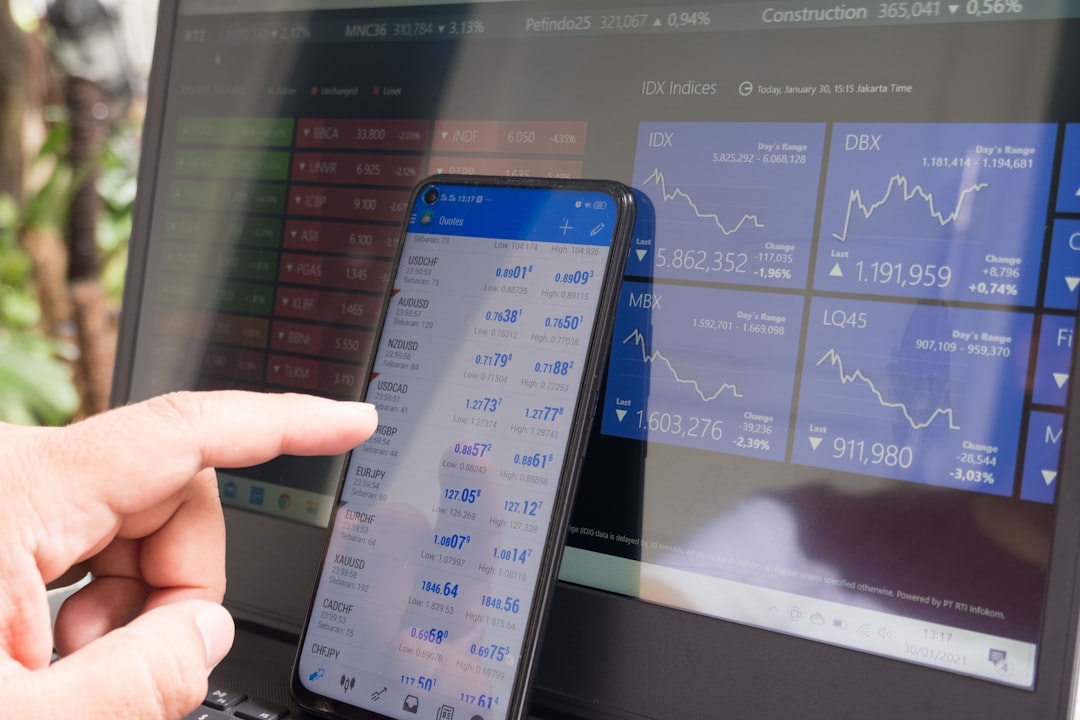
## Understanding Forex Markup on Indian Credit Cards: What You Need to Know Before Traveling

Traveling abroad can be an exhilarating experience, but it often comes with its own set of financial challenges. One of the key aspects to consider when using a credit card overseas is the Forex markup. If you’re planning to travel outside India, understanding Forex markup can help you save money and avoid unpleasant surprises on your credit card bill. In this article, we’ll delve into what Forex markup is, how it works, and what you need to keep in mind when using your Indian credit card abroad.

### What is Forex Markup?

Forex markup refers to the additional fee that credit card issuers charge for transactions made in foreign currencies. When you use your Indian credit card for purchases in another country, the transaction typically involves converting the foreign currency into Indian Rupees (INR). This conversion is where the Forex markup comes into play.

### How Does Forex Markup Work?

When you make a purchase abroad, your credit card issuer will convert the amount from the foreign currency to INR using the current exchange rate. However, they will also add a Forex markup fee on top of this conversion. This fee can vary significantly between different credit card issuers and can impact your travel budget.

### Typical Forex Markup Rates

As of 2026, most Indian credit cards charge a Forex markup ranging from 1.5% to 3.5% on foreign transactions. Here’s a breakdown of what you can expect:

- **Low-end Cards**: Some credit cards, especially those tailored for frequent travelers, may charge around 1.5% as Forex markup.
- **Mid-range Cards**: Many standard credit cards will typically charge around 2% to 3% for Forex transactions.
- **High-end Cards**: Premium credit cards might have Forex markups ranging from 3% to 3.5%.

### Example of Forex Markup Calculation

Let’s say you’re traveling to Europe and decide to buy a pair of shoes that costs €100. Assuming the exchange rate is 1 Euro = ₹90, the conversion would look something like this:

1. **Cost in INR**: €100 x ₹90 = ₹9,000
2. **Forex Markup**: If your card has a Forex markup of 3%, you would pay an additional ₹270 (3% of ₹9,000).

So, the total amount charged to your card would be ₹9,270 instead of just ₹9,000. This is a significant difference, and if you’re making multiple purchases, the costs can quickly add up.

### How to Minimize Forex Markup Fees

1. **Choose the Right Credit Card**: If you travel frequently, consider applying for a credit card with low or no Forex markup fees. Many banks offer special travel credit cards designed for globetrotters.

2. **Use Local Currency**: When making a purchase abroad, always choose to pay in the local currency rather than opting for the equivalent amount in INR. This practice, known as Dynamic Currency Conversion (DCC), often comes with its own set of unfavorable exchange rates and additional fees.

3. **Limit Cash Withdrawals**: If you need cash, withdrawing from an ATM using your credit card can also incur Forex markup fees. Instead, try to use your card for most transactions to minimize these charges.

### Understanding Additional Fees

Forex markup is not the only fee to consider when using your credit card abroad. Here are some other charges that may apply:

- **Cash Withdrawal Fees**: If you use your credit card to withdraw cash from an ATM, you may also incur cash withdrawal fees, which can be around 2.5% to 3% of the transaction amount, along with the Forex markup.

- **Foreign Transaction Fees**: Some cards may charge a flat foreign transaction fee, which is separate from the Forex markup. This could be a fixed amount or a percentage of the transaction.

### Benefits of Using Credit Cards Abroad

While Forex markup may seem like a drawback, using credit cards for international purchases has its advantages:

1. **Safety**: Carrying large amounts of cash can be risky. Credit cards provide a safer alternative and are widely accepted globally.

2. **Rewards and Benefits**: Many credit cards offer rewards points, cashback, or travel-related perks, which can enhance your travel experience. For instance, using a travel credit card might earn you 1.5 to 5% back on international purchases.

3. **Emergency Access to Funds**: In case of emergencies, having a credit card can provide quick access to funds without the need for currency exchange.

### Choosing the Right Card for Your Travels

When selecting a credit card for international travel, consider the following factors:

- **Annual Fees**: Some travel credit cards may have higher annual fees, but they often come with better rewards and lower Forex markups.

- **Rewards Program**: Look for cards that offer travel-related rewards, such as air miles or hotel discounts.

- **Insurance Benefits**: Many travel credit cards provide insurance coverage for trip cancellations, lost luggage, and travel accidents, which can be invaluable during your travels.

### Bottom Line

Understanding Forex markup on Indian credit cards is crucial for any traveler looking to make the most of their international adventures. By being aware of the fees involved and taking proactive steps to minimize costs, you can enjoy your travels without worrying about unexpected expenses.

Before you embark on your next journey, take the time to review your credit card options and choose the one that best fits your travel needs. With the right preparation, you can travel with confidence, knowing that you’re equipped to handle foreign transactions efficiently and affordably. Safe travels!