Understanding Minimum Amount Due: Why Paying It Could Lead to Major Debt Issues
In recent discussions surrounding personal finance, one significant topic has emerged: the dangers of only paying the minimum amount due on credit card...
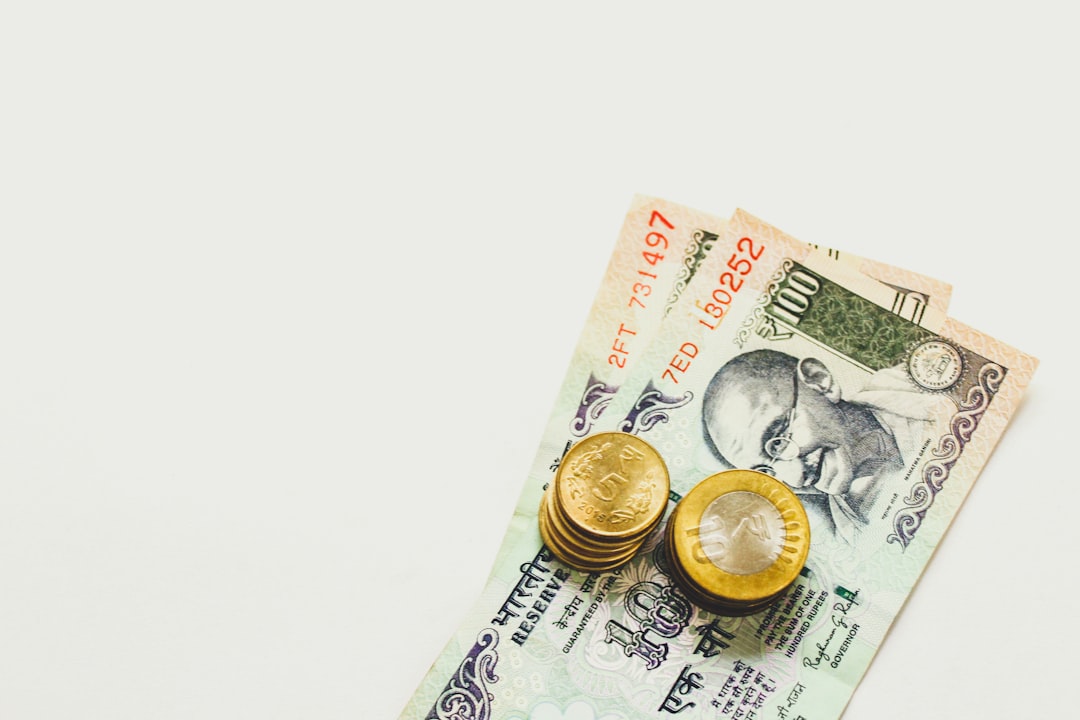
Understanding Minimum Amount Due: Why Paying It Could Lead to Major Debt Issues
In recent discussions surrounding personal finance, one significant topic has emerged: the dangers of only paying the minimum amount due on credit card bills. The concept may seem harmless—after all, paying at least a portion of your dues on time is better than letting them slide. However, this seemingly benign habit can spiral into a mountain of debt due to the magic (and menace) of compounding interest. For Indian cardholders, particularly in 2026, understanding the implications of this practice is crucial for maintaining financial health.
The Minimum Amount Due Explained
The minimum amount due (MAD) is the smallest sum you can pay to keep your credit card account in good standing without incurring late fees. Typically, this amount consists of a small percentage of your outstanding balance—often around 5%—plus any applicable fees and interest. For example, if you have a balance of ₹50,000, your MAD could be approximately ₹2,500 (5% of ₹50,000) plus interest and fees.
While it may feel manageable to pay just ₹2,500, this approach can lead you down a treacherous path. The remaining balance continues to accrue interest, often at rates ranging between 24% to 42% per annum in India. Therefore, if you only pay the minimum, you may end up paying much more over time than the original amount you owed.
The Compounding Debt Trap
Let’s break it down with an illustrative example. Assume you have a credit card balance of ₹50,000, and you decide to pay only the minimum amount due each month.
- Initial Balance: ₹50,000
- Monthly Interest Rate: 3% (which is 36% annually, a common rate for many credit cards)
- Minimum Payment: ₹2,500
In the first month, after you make your minimum payment, here’s what happens:
- Interest Charged: ₹50,000 x 3% = ₹1,500
- New Balance: ₹50,000 - ₹2,500 + ₹1,500 = ₹49,000
Now, instead of reducing your balance significantly, you’ve only reduced it by ₹1,000 after paying the minimum. If you continue this pattern, it could take years to pay off the debt, and you’ll end up paying a substantial amount more due to interest.
By the time you finally clear the debt, you could have paid thousands of rupees in interest alone. This is the compounding debt trap that many find themselves in when they opt for the easy way out.
Practical Implications for Indian Cardholders
-
Understanding Your Credit Card’s Terms: Each credit card may have different terms regarding interest rates and minimum payments. Be sure to read the fine print.
-
Budgeting for Payments: If you’re regularly finding it difficult to pay more than the minimum amount, it’s time to reassess your budget. Consider cutting unnecessary expenses or finding additional sources of income.
-
Avoiding the Minimum Payment Mentality: Shift your mindset from ‘what can I pay this month?’ to ‘how can I eliminate this debt as quickly as possible?’ Instead of making minimum payments, target a higher amount that reduces your principal balance significantly.
-
Utilizing Balance Transfers Wisely: If you’re already in a high-interest debt situation, consider using a promotional balance transfer offer. Some credit cards offer 0% interest for an introductory period, which can help you pay off debt faster without the burden of accumulating interest.
-
Emergency Fund: Having an emergency fund can reduce the need to rely on credit cards. Aim for at least 3-6 months’ worth of expenses saved, so you don’t have to swipe your card for unexpected bills.
Actionable Advice for Managing Credit Card Debt
-
Pay More Than the Minimum: Aim to pay your entire balance each month or, if that’s not feasible, pay as much as you can afford to reduce your principal.
-
Set Up Automatic Payments: To avoid late fees and manage your payments better, consider setting up automatic payments for at least the minimum amount due.
-
Monitor Your Spending: Keep a close eye on your spending habits. Use budgeting apps or spreadsheets to track where your money is going and identify areas to cut back.
-
Seek Financial Advice: If you’re feeling overwhelmed, don’t hesitate to consult a financial advisor. They can help you create a plan that suits your situation.
The Consequences of Ignoring the Issue
The consequences of merely paying the minimum amount due can be severe. Aside from the immediate financial burden, it can also impact your credit score and future borrowing capabilities. Credit utilization ratios and payment histories are crucial factors in determining your creditworthiness.
A high outstanding balance compared to your credit limit can lower your score, making it more challenging to secure loans or other credit facilities in the future.
Bottom Line
As an Indian cardholder in 2026, it’s vital to grasp the real cost of only making minimum payments on your credit card bills. The potential for spiraling debt due to compounding interest is not just a theoretical concern; it’s a very real issue that can affect your financial health for years to come.
By understanding your credit card’s terms, budgeting effectively, and committing to paying more than the minimum, you can take control of your debt and avoid the pitfalls of the minimum payment mentality. Financial freedom is within reach, but it requires proactive steps and a disciplined approach to managing credit.